Ajmer Sharif Dargah
– History, Ziyarat
and Visitor Guide
Ajmer Sharif Dargah
is one of the most
respected spiritual
destinations in
India. Located in
Ajmer, Rajasthan,
this historic shrine
is associated with
Hazrat Khwaja
Moinuddin Hasan
Chishti (R.A.),
lovingly known by
devotees as Khwaja
Garib Nawaz. People
from different
regions, cultures
and backgrounds
visit Ajmer Sharif
to offer prayers,
seek blessings and
experience its rich
spiritual
traditions.
For many visitors, a
journey to Ajmer
Sharif is more than
a visit to a
historic place. It
is a personal
expression of faith,
hope, gratitude and
devotion.
About Khwaja Garib
Nawaz (R.A.)
Hazrat Khwaja
Moinuddin Chishti (R.A.)
is remembered for
his teachings of
love, kindness,
humility, compassion
and service to
humanity. His
spiritual legacy has
influenced
generations of
devotees and
continues to inspire
people from
different walks of
life.
The name Garib Nawaz
is widely associated
with compassion and
care for people in
need. His teachings
emphasize treating
others with respect,
helping those facing
difficulties and
living with
sincerity and
generosity.
Today, Ajmer Sharif
remains an important
centre of devotion
for people who wish
to learn about his
life, teachings and
spiritual heritage.
History of Ajmer
Sharif Dargah
The history of Ajmer
Sharif is closely
connected with the
life and legacy of
Khwaja Moinuddin
Chishti (R.A.). Over
many generations,
the shrine has
developed into a
prominent spiritual
landmark and an
important part of
India's Sufi
heritage.
The Dargah complex
includes sacred
spaces, courtyards
and architectural
features that
reflect its long
history. Visitors
come to pay their
respects, observe
religious customs
and experience the
peaceful atmosphere
associated with the
shrine.
The Dargah also
holds a special
place in India's
cultural history
because people from
many communities
visit it throughout
the year.

7 Beautiful Facts
About Ajmer Sharif
1. A Famous Sufi
Shrine in India
Ajmer Sharif is
widely recognised as
one of India's
important Sufi
pilgrimage
destinations. Its
reputation attracts
visitors from across
India and abroad.
2. Associated with
Khwaja Garib Nawaz
The shrine honours
Hazrat Khwaja
Moinuddin Chishti (R.A.),
whose teachings of
compassion, humility
and service continue
to inspire devotees.
3. A Place Visited
by People from
Different
Backgrounds
Visitors from
different
communities and
countries come to
Ajmer Sharif to
offer prayers and
learn about its
spiritual
traditions.
4. Known for Its
Historic
Architecture
The Dargah complex
contains historic
structures,
courtyards and
gateways that form
an important part of
Ajmeri's cultural
heritage.
5. Chadar Pesh Is an
Important Tradition
Many devotees offer
a chadar as a mark
of respect and
devotion. This
religious tradition
is closely
associated with
visits to the
shrine.
6. Langar and Deg
Traditions
The Dargah is also
associated with
traditional food
offerings and
community service.
The historic degs
are especially well
known among visitors
interested in the
shrine's religious
customs.
7. The Annual Urs
The annual Urs
commemorates the
spiritual legacy of
Khwaja Garib Nawaz (R.A.).
During this
important occasion,
devotees gather for
prayers and
religious
observances.
Visitors should
check the latest
official
arrangements before
planning their
journey.
Shrine Ziyarat and
Visitor Guidance
Visitors travelling
to Dargah Sharif
should plan their
visit with care,
particularly during
Fridays, holidays
and the annual Urs,
when the area can
become busy.
Before arriving,
consider the
following:
-
Check current
visiting
arrangements and
access
information.
-
Dress
respectfully and
follow the
shrine's local
customs.
-
Keep personal
belongings
secure in
crowded areas.
-
Follow
instructions
from authorised
staff and local
authorities.
-
Allow extra time
for travel and
entry during
busy periods.
Opening hours and
entry arrangements
may change according
to the season,
religious occasions
and local
administration.
Confirm the latest
timings before
travelling.
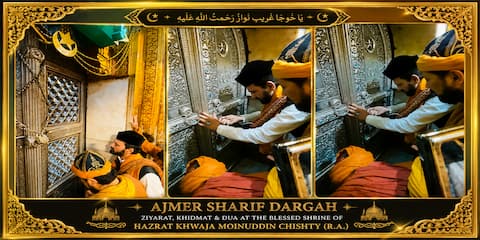
Why Do People Visit
Dargah?
People visit Ajmer
Dargah for different
personal and
spiritual reasons.
Some come to offer
prayers and express
gratitude, while
others wish to learn
about Sufi history,
observe traditional
practices or visit a
place that holds
meaning for their
families.
For many, the
journey is an
opportunity to
pause, reflect and
reconnect with
values such as
kindness, patience,
humility and
generosity.
Every visitor's
experience is
personal. The
shrine's enduring
significance comes
from its history,
spiritual traditions
and the continuing
devotion of people
who travel there.
Frequently Asked
Questions
Where is
AjmerSharifDargah
located?
Khwaja Moinuddin
Chishti Dargah is
located in Ajmer,
Rajasthan, India.
Who is Khwaja Garib
Nawaz?
Khwaja Garib Nawaz
is the widely used
name for Hazrat
Khwaja Moinuddin
Hasan Chishti (R.A.),
the revered Sufi
saint associated
with the shrine.
What is Ajmer Dargah
famous for?
Sufi Shrine is known
for its spiritual
heritage, Sufi
traditions, historic
Dargah complex,
chadar offerings,
deg traditions and
annual Urs.
Can visitors from
different religions
visit Dargha
Shareef?
People from
different religious
and cultural
backgrounds visit
the shrine. Visitors
should respect local
customs and follow
the applicable entry
guidelines.
How can I enquire
about chadar or deg
arrangements?
Contact the relevant
service provider
through verified
contact details.
Confirm the service,
total cost, payment
recipient and
arrangements before
making a booking or
donation.
Plan Your Visit to
Dargah Shareef
Dargha Shareef
remains an important
destination for
people interested in
spirituality,
history and India's
Sufi heritage.
Learning about
Khwaja Garib Nawaz (R.A.),
understanding local
traditions and
preparing for the
visit can help
visitors approach
the shrine with
respect and
awareness.
Whether you are
visiting for ziyarat,
learning about the
Dargah's history or
exploring its
traditions, take
time to understand
the customs and
significance of this
historic place.

Sufi Shrine Dargah, Rajasthan, India
– a historic spiritual destination
associated with the enduring teachings
of Khwaja Garib Nawaz (R.A.).
Dargah Time Table
Winter Opening Time:
5:00 AM – 9:00 PM
Summer Opening Time:
4:00 AM – 10:00 PM
Morning Khidmat:
5:00 AM – 6:00 AM
Afternoon Khidmat:
3:00 PM – 4:00 PM
Special Roshni Dua:
6:30 PM
(approximately 10
minutes before
Maghrib Azan)
Kadka Time:
10:30 PM (Night
Closing Ceremony)